Dissecting Microscope About
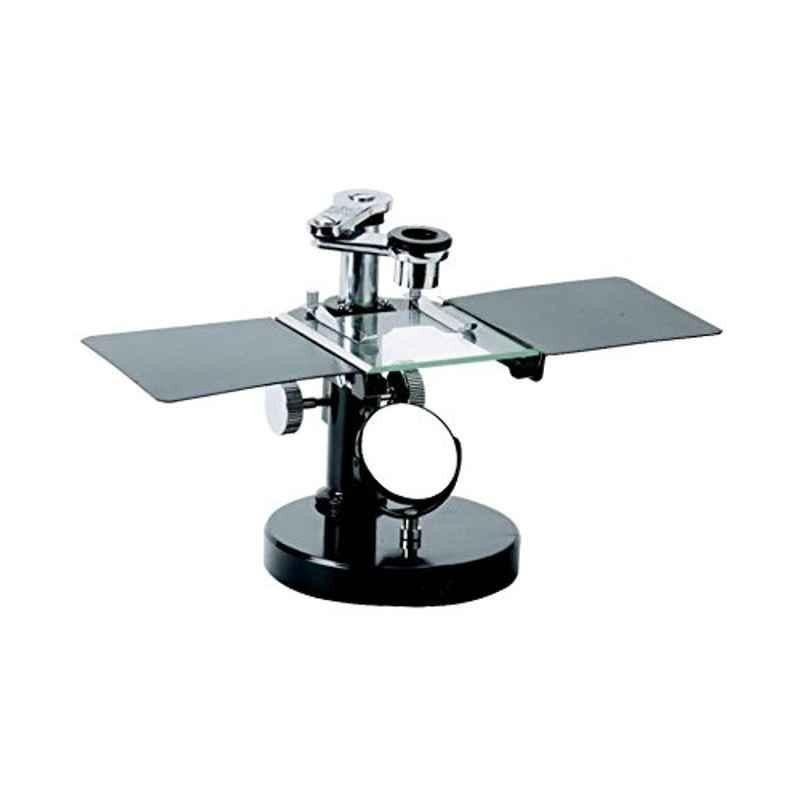
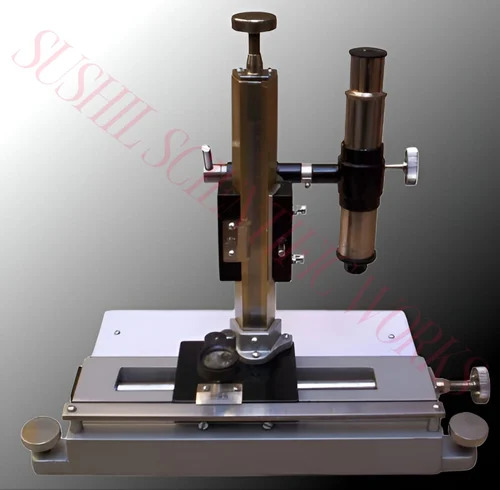
A dissecting microscope (also called a stereo or stereoscopic microscope) is an optical instrument designed for low-magnification observation. Unlike compound microscopes, it uses two separate optical paths to create a three-dimensional image and typically relies on light reflecting off the surface of solid, opaque objects rather than passing through themBuilt for Stability and VersatilityThe dissecting microscope's sturdy metal base and wide glass stage ensure stability during detailed examination or small-part manipulation. The large stage is designed to fit standard dissection trays and petri dishes, making it versatile for classrooms, labs, and workshops. Its spring-loaded clips keep specimens and slides securely in place for uninterrupted study.
Superior Optical PerformanceWith fixed achromatic objectives and wide field eyepieces, this microscope delivers clear, distortion-free images at 10x or 20x magnification. The variable focal distance (50-200 mm) accommodates various specimen sizes, ensuring flexibility in application. Its optical view is optimized for surface detail, ideal for botany, entomology, or educational purposes.
User-Friendly Design and OperationPortability and ease of use are at the forefront of this microscope's design. Weighing just 2-3 kg, it incorporates a simple rack and pinion coarse focusing system and a single, straight (monocular) view head. Natural illumination through the adjustable plano-concave mirror ensures consistent lighting without the need for electricity.
FAQ's of Dissecting Microscope:
Q: How do I use the dissecting microscope for observing specimens?
A: To use the dissecting microscope, place your specimen (such as a plant, insect, or small object) on the glass stage and secure it with the spring-loaded clips. Adjust the mirror to direct natural light onto the object. Use the rack and pinion system to bring the specimen into focus, and select your desired magnification using the interchangeable eyepieces.
Q: What types of specimens or tasks is this microscope best suited for?
A: This dissecting microscope excels in tasks requiring low magnification, such as school biology projects, botanical studies, entomology, and small-part assembly. It is particularly effective for viewing surface details and observing objects that do not require transmitted light.
Q: When is it beneficial to use a dissecting microscope instead of a compound microscope?
A: A dissecting microscope is most beneficial when observing three-dimensional objects, surface features, or conducting dissections that require a larger working distance. It is suited for scenarios where detail and manipulation of relatively large specimens are necessary, while compound microscopes are better for viewing thin sections at higher magnifications.
Q: Where can the dissecting microscope be conveniently used?
A: Thanks to its portable design and reliance on ambient illumination (via the adjustable mirror), this microscope can be used in classrooms, laboratories, workshops, outdoor field stations, or any location with a good natural light source.
Q: What is the process for adjusting focus on this microscope?
A: The microscope uses a rack and pinion mechanical system for coarse focusing. Turn the focusing knob to move the head and lenses up or down until your specimen appears sharp. There is no fine adjustment mechanism, so take care to focus gradually for best clarity.
Q: What benefits does the black enamel finish provide?
A: The black enamel finish offers enhanced durability, protecting the microscope from scratches and corrosion. It also provides a classic aesthetic that complements laboratory and educational environments.
Q: Are spare parts, such as eyepieces and stage glass, available for this microscope?
A: Yes, spare parts like replacement eyepieces, glass stages, mirrors, and focus knobs are generally available through dealers, distributors, or manufacturers. Contact the supplier or retailer where the microscope was purchased for specific replacement options.






 Send Inquiry


 Send Inquiry