About magnetic stirrer
- Speed Range: Generally ranges from 100 to 2200 RPM for controlled vortex generation.
- Stirring Capacity: Varies from 2 liters up to 5 liters of water
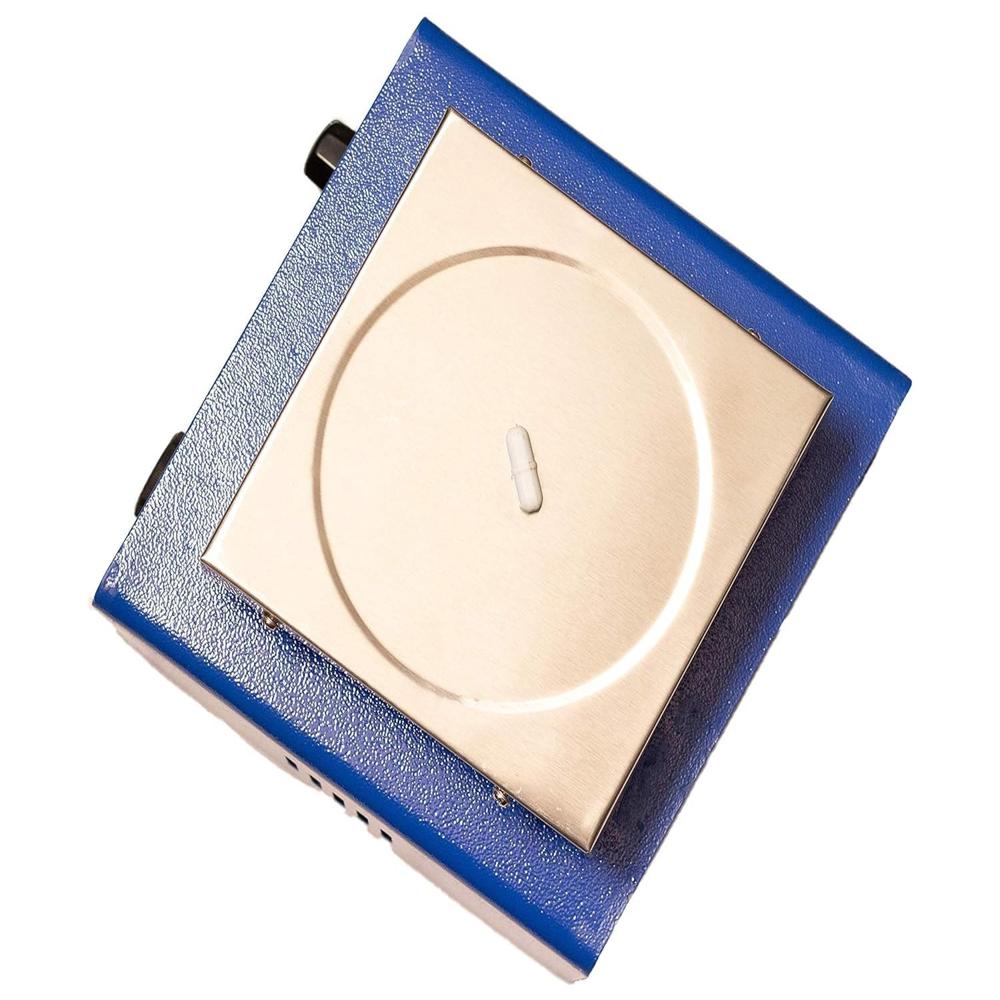
- Top Plate Material: Commonly made of ceramic, glass-ceramic, or stainless steel with a ceramic coating for chemical corrosion resistance.
- Motor Type: Frequently utilizes a Brushless DC motor
- Stirring Positions: Available in single-position
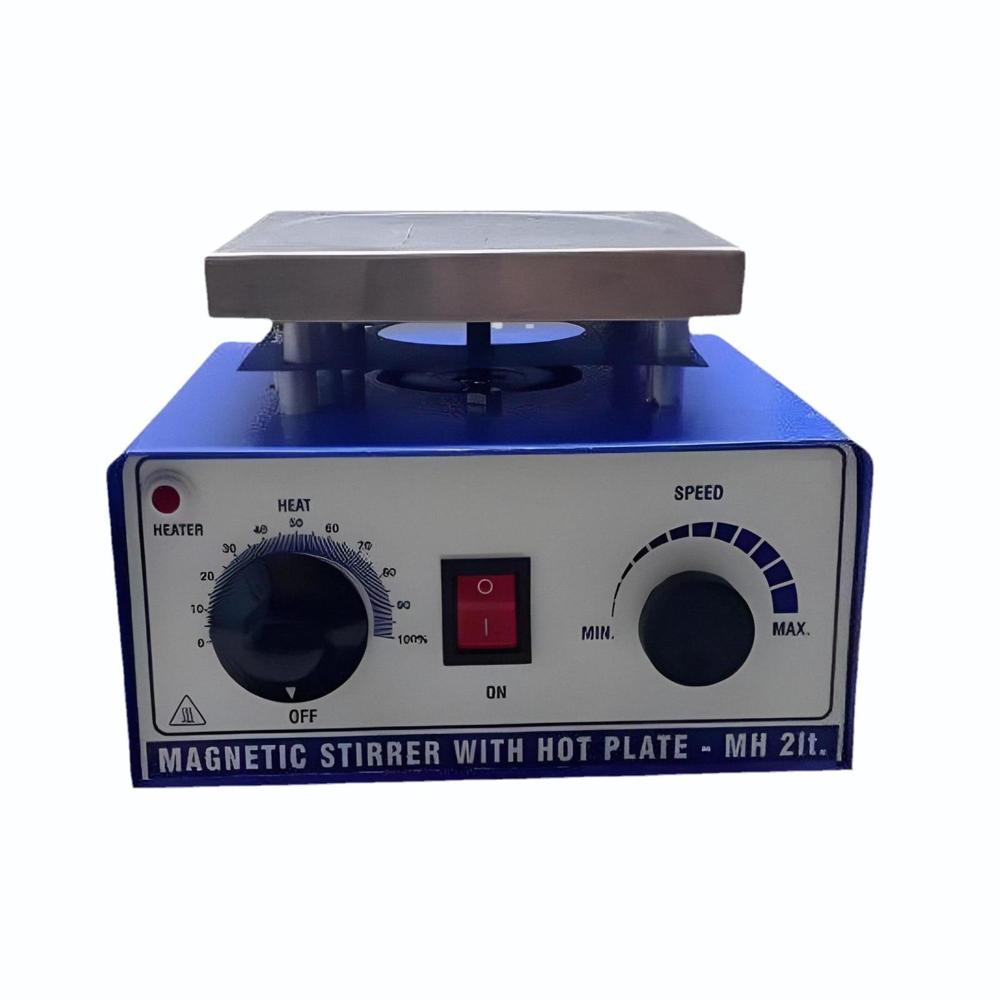
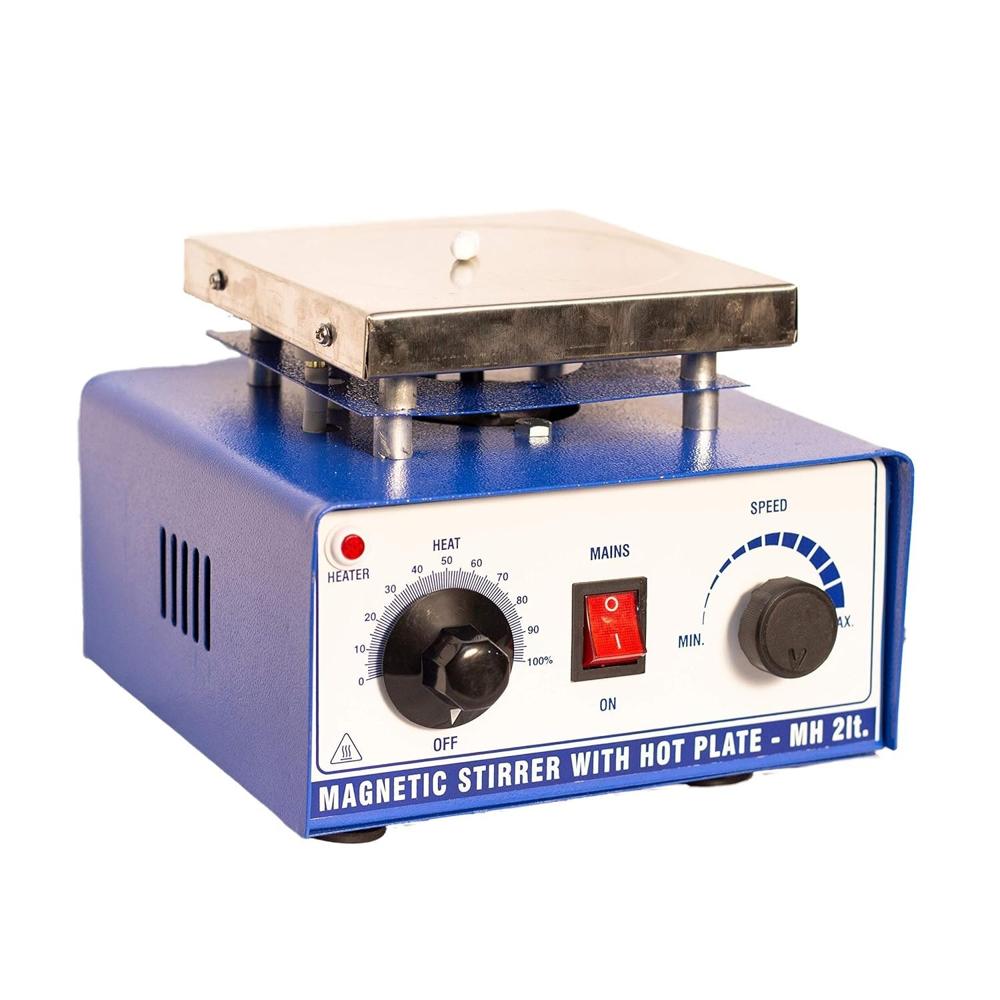
Ideal for chemical, biological, and pharmaceutical settings, this magnetic stirrer with a hot plate combines efficient mixing with precise and controlled heating. Its robust design and corrosion-resistant materials cater to rigorous research and educational environments, offering reliability in handling various laboratory procedures.
Enhanced Safety and User-Friendly DesignSafety is paramount thanks to thoughtful features like overheat and fuse protection, an insulated housing, and a heat indicator. The analog rotary controls allow for easy adjustment of stirring speed and temperature, while the compact rectangular shape saves valuable benchtop space.
FAQ's of magnetic stirrer:
Q: How do you control the speed and temperature on this magnetic stirrer?
A: Speed and temperature are managed using analog rotary controls, allowing for precise adjustment between 100 and 1500 RPM for stirring and up to 350C for heating. The analog scale display provides a clear reference for settings.
Q: What is the maximum volume that can be stirred and heated?
A: This magnetic stirrer accommodates up to 2 litres of aqueous solution, making it suitable for small to medium-scale laboratory experiments.
Q: When should the heat indicator be monitored during operation?
A: The heat indicator should be watched throughout use to ensure you are aware when the hot plate is active, reducing the risk of accidental burns and improving overall safety during handling.
Q: Where is this equipment most effectively used?
A: It is best suited for laboratories, research and development facilities, educational institutions, and pharmacies, wherever reliable mixing and controlled heating are necessary for experimentation or preparation.
Q: What safety features are provided for operator protection?
A: Key safety features include overheat protection, a fuse, insulated housing, and a heat indicator, all working to minimize risks associated with high-temperature laboratory equipment.
Q: How does the construction material benefit the device?
A: The mild steel body ensures durability, while the stainless steel top plate resists corrosion and facilitates efficient heat transfer for even solution heating.






 Send Inquiry


 Send Inquiry
